



The Medical Truth Behind India’s Winter Smog and Your Lungs
By Dr. Saru Sirohi
Every winter, millions of people across India experience persistent coughing, throat irritation, wheezing and breathing discomfort. While these symptoms are often dismissed as seasonal problems, the underlying cause may be more serious than the cold weather itself.
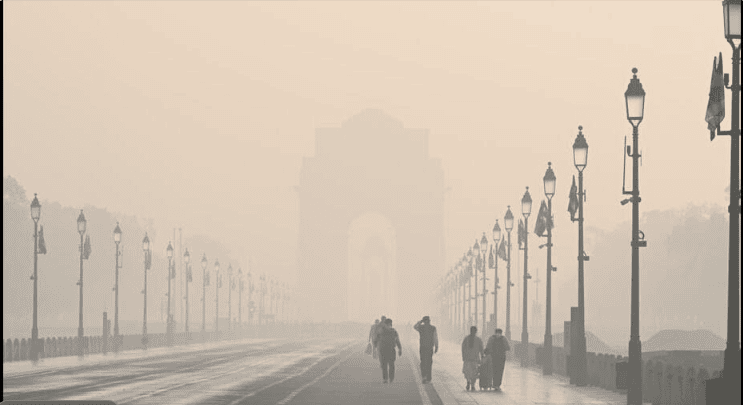
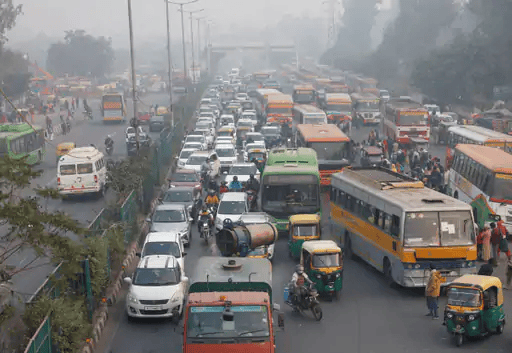
Winter brings a combination of low temperatures, stagnant air, vehicle emissions, construction dust and smoke from agricultural residue burning (parali). These pollutants can accumulate close to the ground, exposing people to harmful particles with every breath.
What appears to be ordinary fog may actually be a mixture of moisture, smoke and air pollution. The most concerning among these pollutants is PM2.5, which can penetrate deep into the lungs and affect respiratory health.
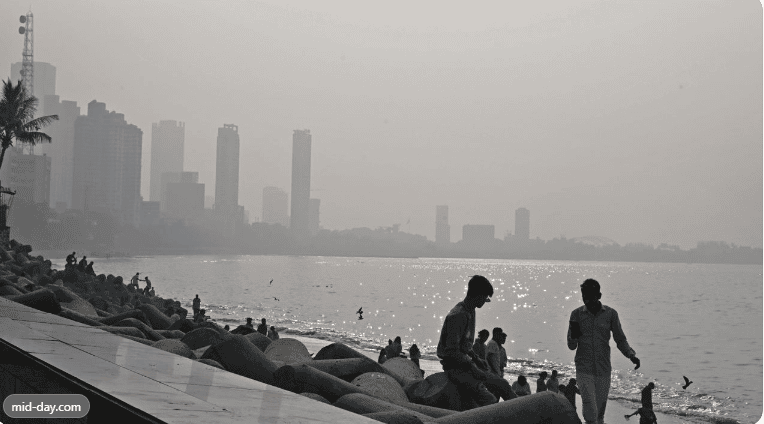
So, why does every winter sometimes feel like a chest infection? Understanding what happens inside our respiratory system reveals why winter smog deserves serious attention.
1. It’s Not Just Fog. It’s a Toxic Lid.
One of the major reasons air pollution becomes more concentrated during winter is a phenomenon called temperature inversion.
Normally, warmer air near the ground rises and helps disperse pollutants. During a temperature inversion, a layer of warmer air sits above cooler, denser air near the surface. This restricts vertical air movement and can trap pollutants close to the ground.
Vehicle exhaust, construction dust, industrial emissions and crop-residue smoke (parali) can consequently accumulate around the breathing level instead of dispersing effectively.
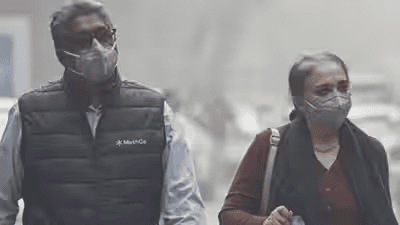
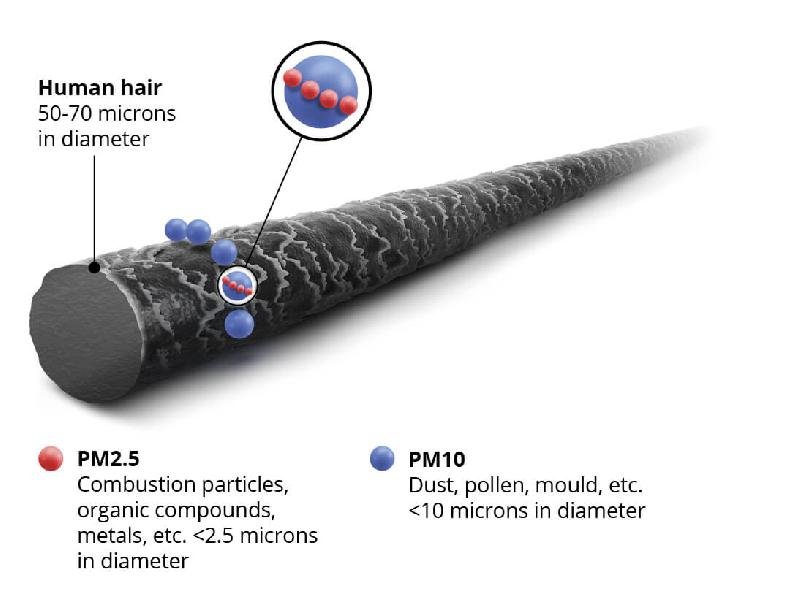
The biggest concern is PM2.5, or fine particulate matter.
These microscopic particles measure 2.5 micrometres or less in diameter. They are approximately 30 times smaller than the average width of a human hair and can travel deep into the lungs, reaching the alveoli, the tiny air sacs responsible for oxygen exchange. Some particles and their components can also cross the lung barrier and enter the bloodstream.
This makes winter air pollution more than a visibility problem. It is a significant respiratory and public-health concern.
“We aren’t just breathing cold air; we are inhaling PM2.5.”
2. The Double Attack on Your Lungs
Cold weather and air pollution can affect the respiratory system through different mechanisms. Together, they can aggravate existing respiratory conditions and make breathing more difficult.
A. Bronchospasm: When Your Airways Narrow
Cold, dry air can irritate the airways, particularly during outdoor exercise or rapid breathing.
In susceptible individuals, especially those with asthma or sensitive airways, this exposure can trigger bronchospasm.
Bronchospasm occurs when the muscles surrounding the airways contract, causing the breathing passages to narrow. This can result in:
- Wheezing
- Chest tightness
- Persistent coughing
- Shortness of breath
- Difficulty breathing during physical activity
People with asthma may experience more pronounced symptoms during colder weather.
B. Weakened Respiratory Defences
Our respiratory system has a natural protective mechanism that helps keep harmful particles and microorganisms out of the lungs.
The nose, throat and airways are lined with microscopic hair-like structures called cilia. Working together with mucus, these structures trap dust and microorganisms and move them out of the respiratory tract. This process is known as mucociliary clearance.
Cold, dry air can reduce the efficiency of this protective mechanism. Air pollution can further irritate the airway lining and interfere with normal respiratory clearance.
The cilia do not literally freeze during ordinary winter conditions, but their function can become less effective under certain environmental conditions.
When this natural defence system is compromised, the respiratory tract becomes more vulnerable to irritation and the effects of inhaled pollutants.
C. Deep Penetration: When PM2.5 Reaches the Lungs
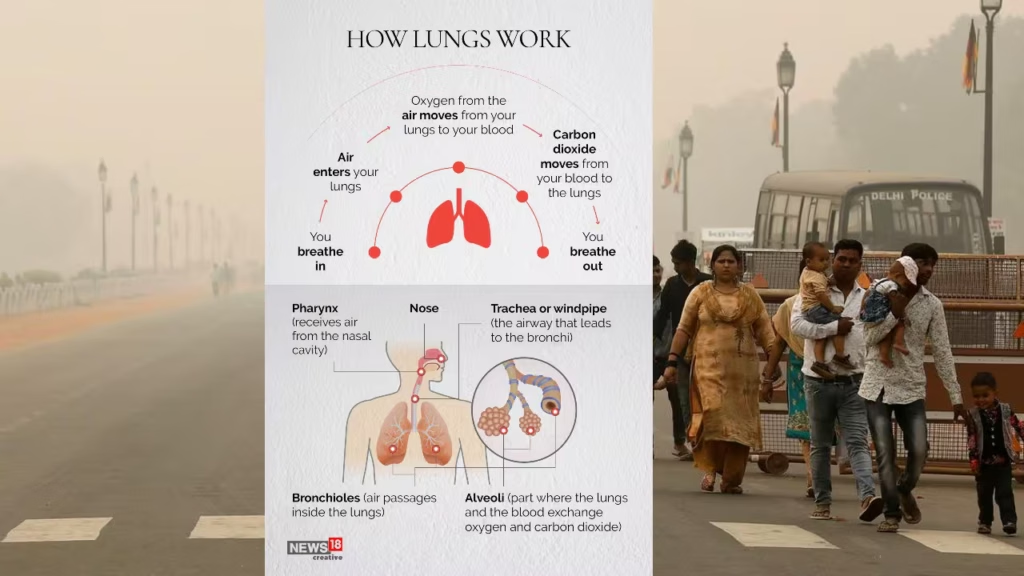
Unlike larger particles that may be trapped in the nose and upper respiratory passages, PM2.5 particles are small enough to travel deep into the lungs.
They can reach the alveoli, where oxygen enters the bloodstream and carbon dioxide is removed.
Fine particulate matter can trigger inflammation and oxidative stress in lung tissue. Certain particles and their components can also cross the lung barrier and contribute to systemic health effects.
The combination of cold-air irritation, impaired respiratory clearance and continued exposure to PM2.5 puts additional stress on the respiratory system.
3. It’s Not Just a “Winter Cough”
The effects of air pollution are not restricted to the lungs. Exposure to fine particulate matter has been associated with inflammation and an increased risk of respiratory and cardiovascular complications.
Some of the important health concerns include:
Heart Strain
Fine particulate matter can contribute to inflammation, oxidative stress and damage to blood vessels. Long-term and short-term exposure to air pollution has been associated with an increased risk of cardiovascular problems, including heart attacks and strokes.
People with existing heart conditions should take particular care during periods of poor air quality.
Worsening Asthma
Air pollution can aggravate airway inflammation and trigger asthma symptoms such as coughing, wheezing, chest tightness and breathlessness.
Some individuals may have unrecognised asthma or may not immediately identify worsening airway symptoms as an indication of a respiratory problem.
Increased Respiratory Vulnerability
Polluted air can irritate the respiratory tract and interfere with its natural protective mechanisms. This may increase susceptibility to respiratory problems and aggravate existing infections.
Air pollution does not directly cause every viral infection, but it can compromise respiratory health and increase the burden on the lungs.
Winter cough should never automatically be dismissed as a seasonal inconvenience.
4. Doctor-Approved Defence Plan
Although we cannot completely control outdoor pollution, we can take practical steps to reduce exposure and protect our respiratory health.
1. Ditch the Cloth Mask
Ordinary cloth masks, handkerchiefs and scarves do not provide reliable protection against fine particulate pollution. Surgical masks also do not offer the same level of fine-particle protection as a properly fitted respirator.
When outdoor exposure is unavoidable during periods of poor air quality, wear a well-fitted N95 or N99 respirator.
The respirator must fit properly around the nose and mouth. Gaps around the edges can allow polluted air to enter and reduce its effectiveness.
2. Time Your Walks
An early morning walk may be part of a healthy routine, but during winter pollution episodes, outdoor exercise requires careful planning.
The original recommendation highlights avoiding early morning walks, particularly between 5 AM and 8 AM, and late evening outdoor activities when pollution can accumulate near ground level.
However, pollution levels vary according to location, wind conditions, temperature and traffic. These hours are not universally the most polluted everywhere.
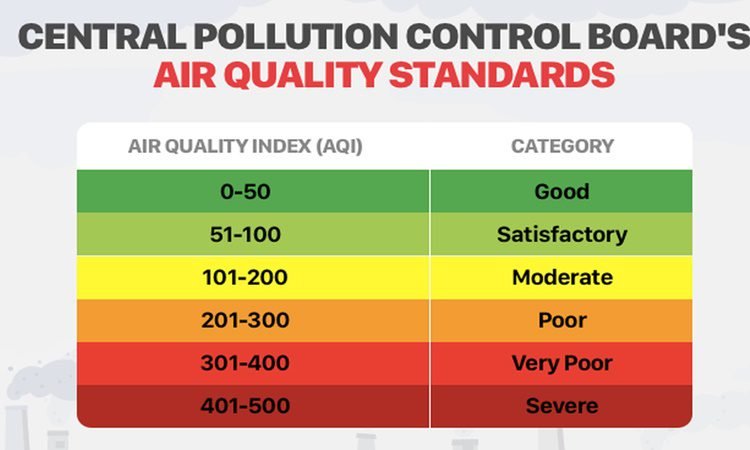
Check the local Air Quality Index (AQI) before planning outdoor activities. On days with poor, very poor or severe air quality, avoid strenuous outdoor exercise and consider indoor alternatives.
3. Nasal Rinse
A saline nasal spray can help moisturise dry nasal passages and clear accumulated mucus and debris.
Nasal irrigation, including Jal Neti, may also help flush out nasal secretions and particles trapped in the upper nasal passages.
However, nasal rinsing does not clean the lungs or remove particles that have already entered the lower respiratory tract.
Important safety precaution: Always use distilled, sterile or previously boiled and cooled water for nasal irrigation. Never use untreated tap water. Keep the rinsing equipment clean and follow the recommended instructions.
5. Eat to Fight Inflammation
While food cannot clean your lungs or reverse the effects of pollution, a balanced diet rich in antioxidants, vitamins, minerals and healthy fats supports the body’s normal functions and natural defence mechanisms.
Some nutritional choices worth including in your daily diet are:
1. Vitamin C: Amla, Oranges and Guava
Vitamin C is an antioxidant that helps protect cells against oxidative damage. It also supports normal collagen formation and the maintenance of healthy tissues.
Amla, oranges and guava are excellent natural sources of vitamin C.
2. Omega-3 Fatty Acids: Walnuts and Flaxseeds
Walnuts and flaxseeds contain plant-based omega-3 fatty acids, particularly alpha-linolenic acid (ALA).
Omega-3 fatty acids play a role in regulating inflammatory processes and contribute to overall health. However, they should not be considered a treatment for pollution-related lung damage.
3. Warm Hydration: Ginger, Tulsi Tea and Water
Adequate hydration helps maintain normal mucus consistency and supports the respiratory system’s natural clearance mechanisms.
Warm water, ginger tea and tulsi tea can provide comfort when the throat feels dry or irritated.
Avoiding cold drinks is not a proven method of preventing respiratory infections or pollution-related lung damage. However, people who find cold beverages aggravate their throat irritation or cough may prefer warm alternatives.
Remember: Good nutrition supports your health, but it cannot replace clean air or medical treatment.
6. Don’t Ignore a Lingering Cough
A persistent cough, wheezing or breathlessness should never be ignored, particularly during periods of increased air pollution.
If a cough, wheeze or breathing difficulty continues for more than two weeks, consult a doctor for proper evaluation.
Do not self-medicate with random cough syrups, antibiotics or other medicines without medical advice. Antibiotics are not effective against viral infections or pollution-related irritation.
Seek medical attention earlier if you experience worsening breathlessness, persistent wheezing, chest discomfort or a significant deterioration in your usual respiratory symptoms. Severe breathing difficulty or chest pain requires urgent medical attention.
Children, older adults, pregnant women and people with asthma, COPD or existing cardiovascular conditions should take additional precautions during periods of poor air quality.
Your Lungs Deserve Protection
Winter pollution is not merely an environmental inconvenience. It is a public-health concern that affects our ability to breathe safely and maintain good health.
From temperature inversion and PM2.5 exposure to airway inflammation and cardiovascular complications, the effects of polluted winter air can extend far beyond a seasonal cough.
Protecting our lungs requires awareness, responsible outdoor habits, appropriate respiratory protection and attention to early warning signs.
Share this with someone who still goes for AM Smog walks!
A little awareness can make a meaningful difference to someone’s health.
~ Dr. Saru Sirohi

Delhi