


From Shunaya to Shikhar: Farmers Redefining the Future of Indian Agriculture

“Innovation is not born in comfort; it grows where resilience meets opportunity.”
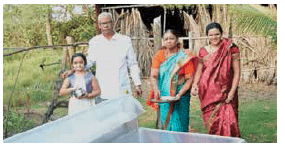
For decades, India’s farmers have wrestled with a familiar problem, surplus harvests that fetch little value. But a quiet revolution is taking root in the heart of rural India, where a new wave of agripreneurs is transforming excess produce into sustainable prosperity. These farmers are proving that the journey from shunaya (zero) to shikhar (success) begins not with scale, but with vision.

- Take Kanchan Verma from Madhya Pradesh, a graduate who turned to farming after marriage. What began as a modest turmeric crop in 2020 soon evolved into a thriving enterprise. Instead of selling raw produce, she began processing turmeric rhizomes into fine powder, a 15-day process that drastically reduces volume but multiplies returns. Today, her organic turmeric, sold directly from her farm, earns her nearly ₹3 lakh per acre annually against a cost of ₹50,000, a model of grassroots entrepreneurship built on precision and perseverance.
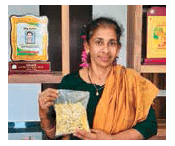
- In Kerala’s Idukki district, Rani Sunny, 57, turned her backyard into a production hub for Eden Jackfruit Products. From dried chips and flour to pulp and seed-based snacks, she reimagined the potential of a single fruit. Her jackfruit burgers and cutlets have gained loyal customers and turned her once-seasonal produce into a ₹8 lakh-a-year enterprise, a testament to the power of innovation led by experience and instinct.
- In Maharashtra, the Patil family, Ninad, Achyut, and Latika embraced technology through Gold Orchards. By introducing solar dryers, they cut the chikoo drying process from four days to one, preserving both nutrition and flavor while tripling shelf life. The result: consistent quality, minimal waste, and a 40% annual rise in sales, a perfect blend of tradition and modern technique.
- In Jalgaon, Ashok and Kusum Gade of Sankalp Enterprises turned falling banana prices into an opportunity. By crafting biscuits, papads, laddus, and chips from bananas, they created a ₹50 lakh venture that supports local livelihoods and exemplifies how small innovations can yield large impact.
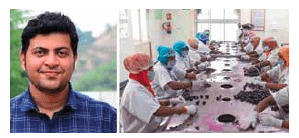
- And in Gujarat’s Bera, Rajesh Oza founded Tribalveda to tackle post-harvest losses of jamun. By training tribal women to process and package jamun-based products, he not only built a ₹2 crore brand but also restored dignity and fair income to an overlooked community.

These are not just stories of profit, they are stories of purpose. Each farmer represents the resilience and ingenuity that keep India fed, inspired, and moving forward. From soil to shelf, they’ve shown that progress doesn’t always demand big capital or big cities, sometimes, it begins with courage, curiosity, and a handful of seeds. Their journeys remind us that the future of India’s economy doesn’t lie in boardrooms alone, it thrives in the hands that till the land, dream fearlessly, and dare to do things differently.