



Delhi and parts of northern India have reported a significant seasonal increase in H1N1 and Influenza A cases. Addressing the media in New Delhi, Secretary, Department of Health Research (DHR) and Director General, ICMR, Dr. Rajiv Bahl stated that the current influenza situation is being continuously monitored and that there is no cause for panic or alarm.
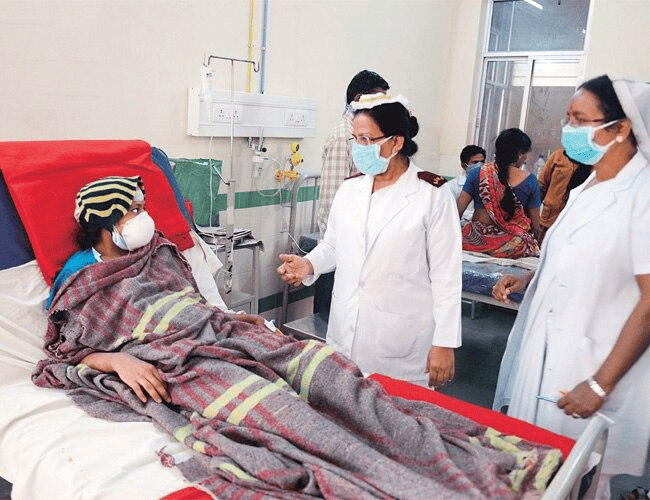
The circulating Influenza A (H1N1) viruses have been identified as A/Missouri/11/2025 (H1N1) pdm09-like viruses. Dr. Bahl informed that this lineage has been in continuous circulation in India since 2025. The genetic changes observed are consistent with the normal antigenic drift seen in seasonal influenza viruses. Such minor genetic changes occur routinely as influenza viruses circulate and, by themselves, do not indicate the emergence of a new or dangerous strain. The situation remains self-limiting for most individuals, and health officials emphasize that there is no cause for panic.
Seasonal influenza, including Influenza A (H1N1), is predominantly a mild and self-limiting respiratory illness in otherwise healthy individuals.
COMMON SYMPTOMS INCLUDE
- Sudden high fever or feeling feverish with chills and sweats (though not everyone has a fever)
- Dry and persistent cough
- Sore throat
- Runny or stuffy nose
- Body aches and muscle pain
- Headache
- Extreme tiredness, fatigue, and weakness
- Nausea, vomiting, or diarrhoea (less common in adults than in children, but possible)
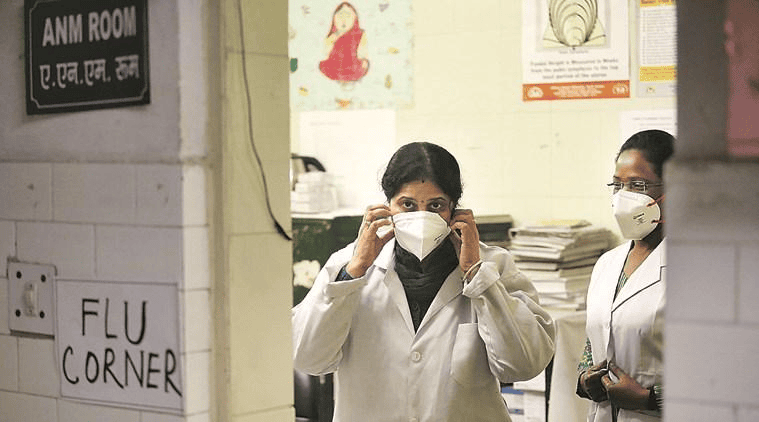
WARNING SIGNS REQUIRING EMERGENCY MEDICAL CARE
- Difficulty breathing or shortness of breath at rest
- Persistent chest pain or pressure
- Bluish or greyish lips, face, or fingertips
- Confusion, severe disorientation, or unusual drowsiness
- Inability to keep fluids down or signs of severe dehydration
- A sudden improvement followed by a rapid worsening of fever and cough
In most people, symptoms improve with supportive care and adequate rest and hydration. The presence of H1N1 does not, by itself, mean that a person will develop severe disease or require hospitalisation.
While seasonal influenza is generally mild, certain individuals have a higher risk of developing complications. These include elderly persons, young children, individuals with underlying medical conditions or co-morbidities, and persons with compromised immunity.
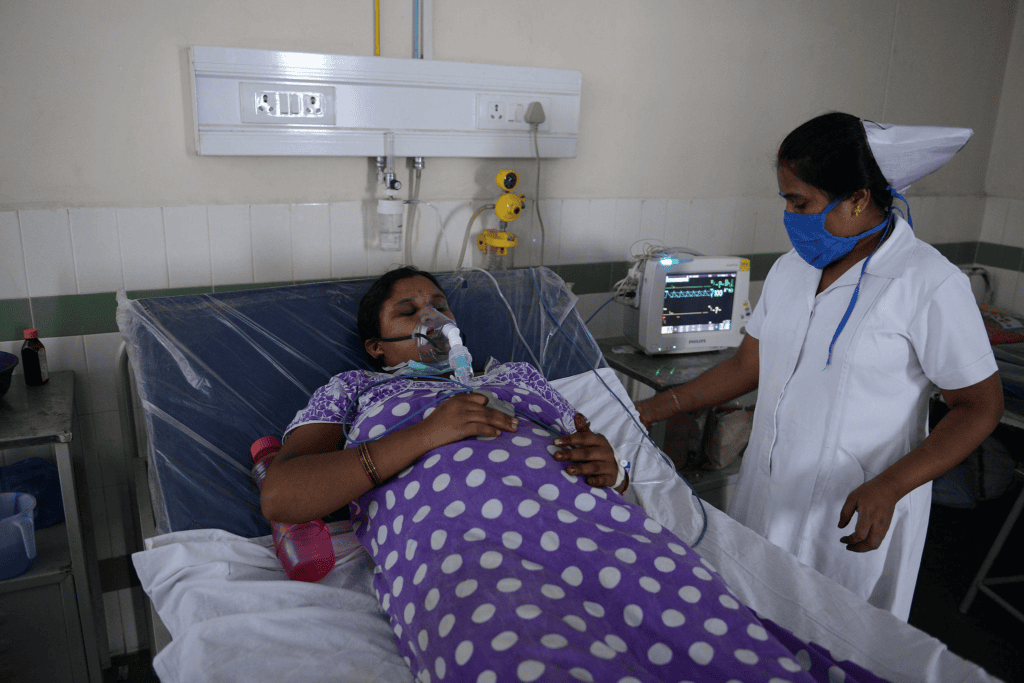
DOs
- Cover the mouth and nose while coughing or sneezing.
- Wash hands frequently with soap and water or use an appropriate hand sanitiser.
- Stay at home when unwell and avoid close contact with others.
- Maintain adequate hydration and take sufficient rest.
- Consume a healthy and balanced diet.
- Seek medical advice if symptoms are severe, persistent, or worsening.
- Follow medical advice regarding testing or treatment.
- Avoid touching the eyes, nose, and mouth with unwashed hands.
DON’Ts
- Do not panic because of the detection of H1N1.
- Do not take antivirals or antibiotics without medical advice.
- Avoid close contact with others while symptomatic.
The public is advised to remain informed and vigilant, but not alarmed. Seasonal influenza is a familiar and routinely monitored respiratory infection, and adherence to simple preventive measures, timely medical consultation when required, and avoidance of unnecessary medication can help protect individuals and communities.
The real danger of swine flu is not always the virus itself, but the fear and misinformation that can surround it. H1N1 is a familiar seasonal infection, and for most healthy individuals, it can be managed with rest, hydration, sensible precautions and timely medical care. What matters is knowing when to stay home, when to seek help and, most importantly, when not to panic. In a season when information travels as quickly as infection, awareness becomes our first line of defence. Stay alert, stay responsible and stay informed because the right knowledge can protect not only you, but those around you.

(Delhi)